
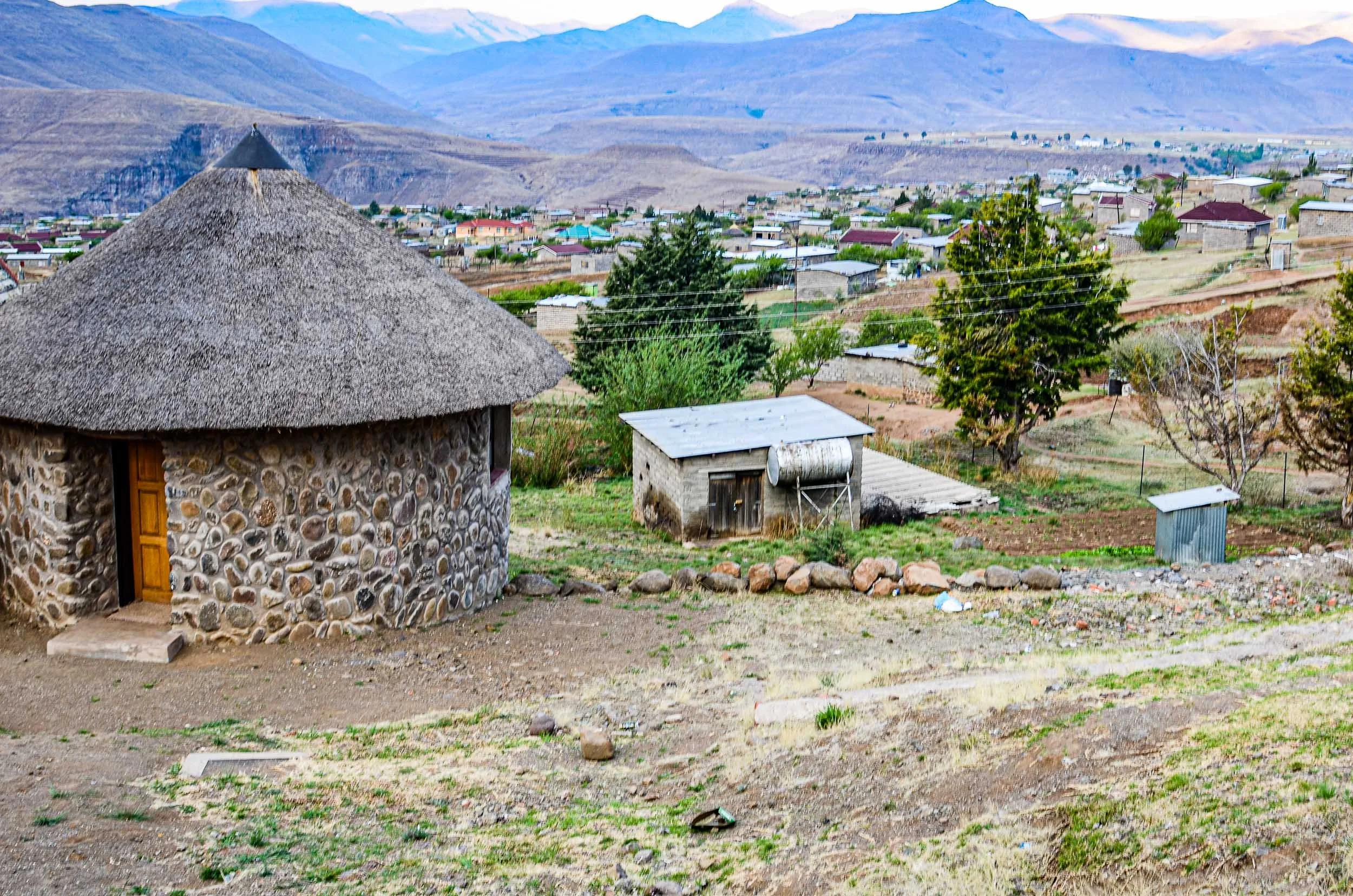
In search of recipes for living in Lesotho
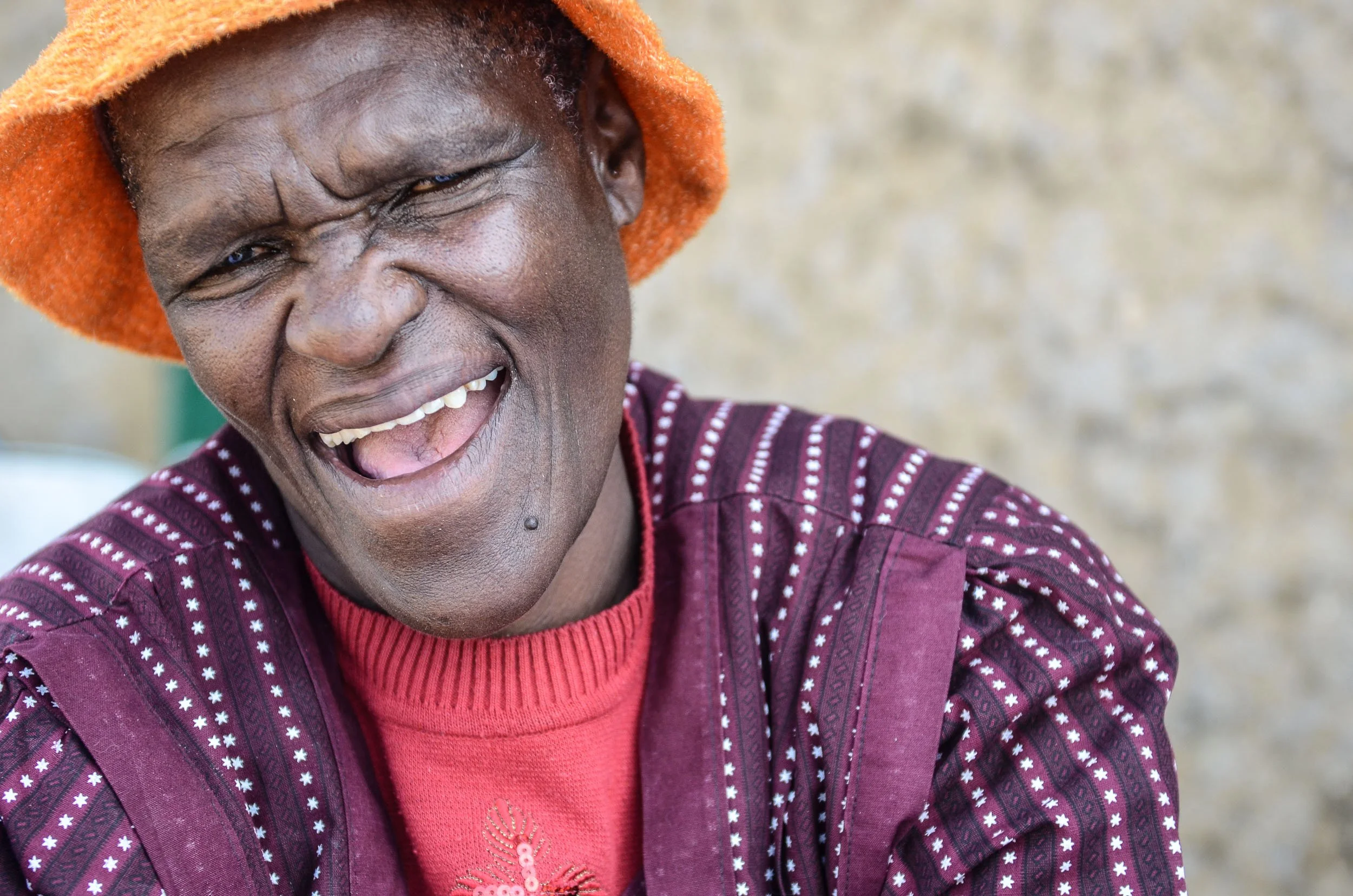
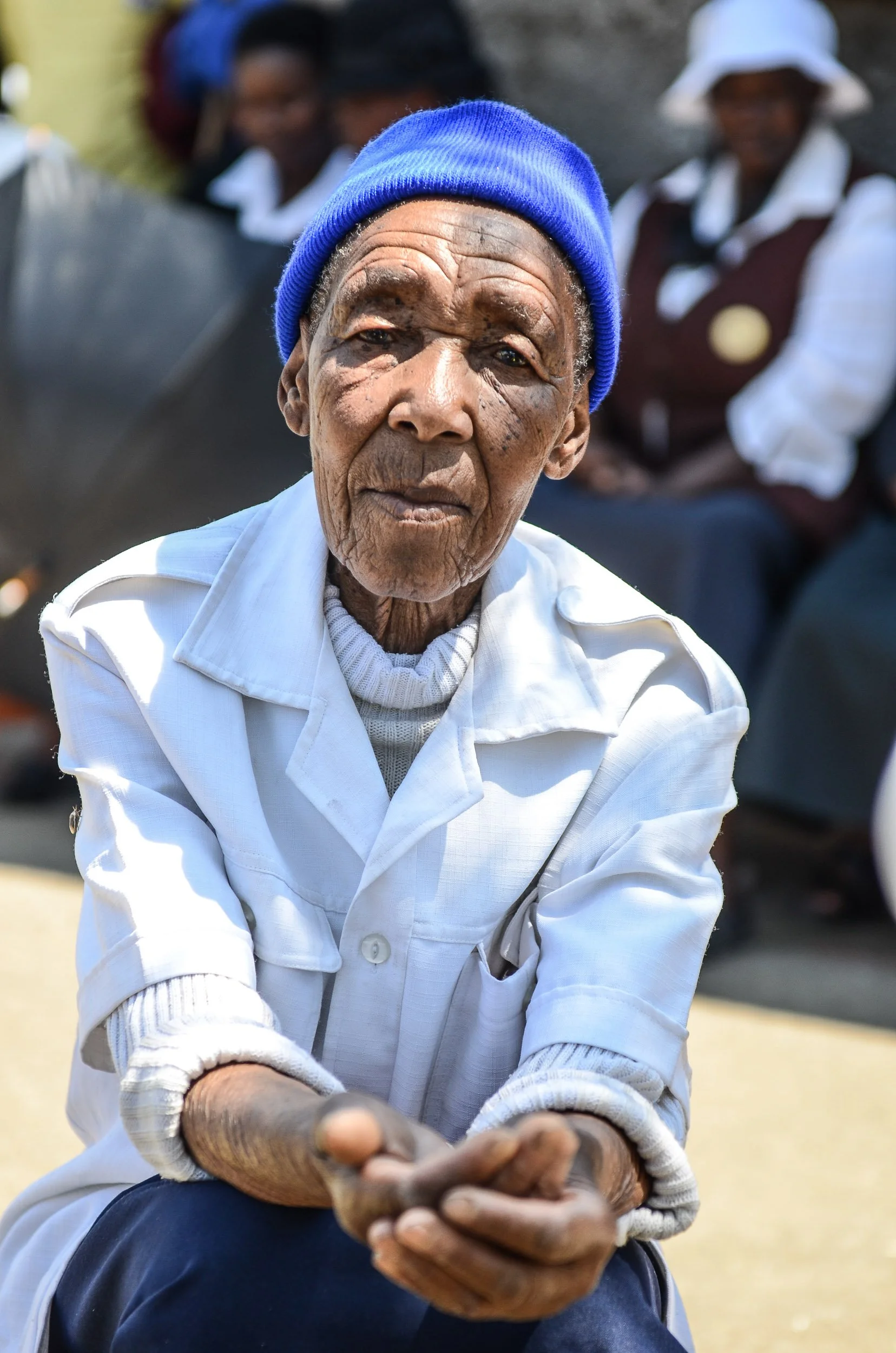
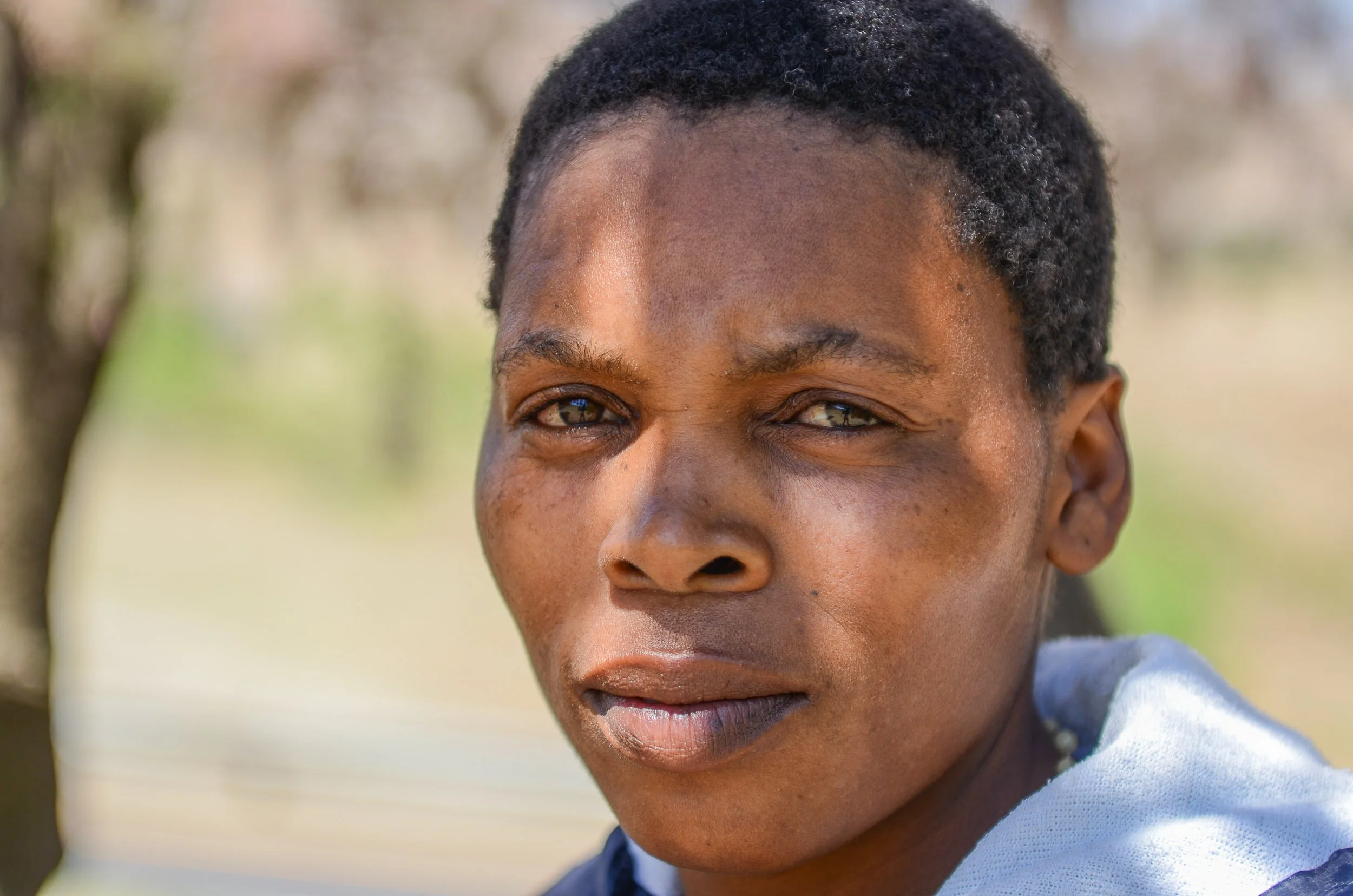
Meet Majoele Nkobloane
I started being sick in 2006. Finally I went for a test and found out I had HIV.
When the Red Cross care facilitator was elected here in 2007, she approached me and advised me to go to the clinic and to take the antiretroviral medication and she was by my side. She told me not to be afraid of what people think and to get help so I can live for my grandchildren and till now I’m still healthy.
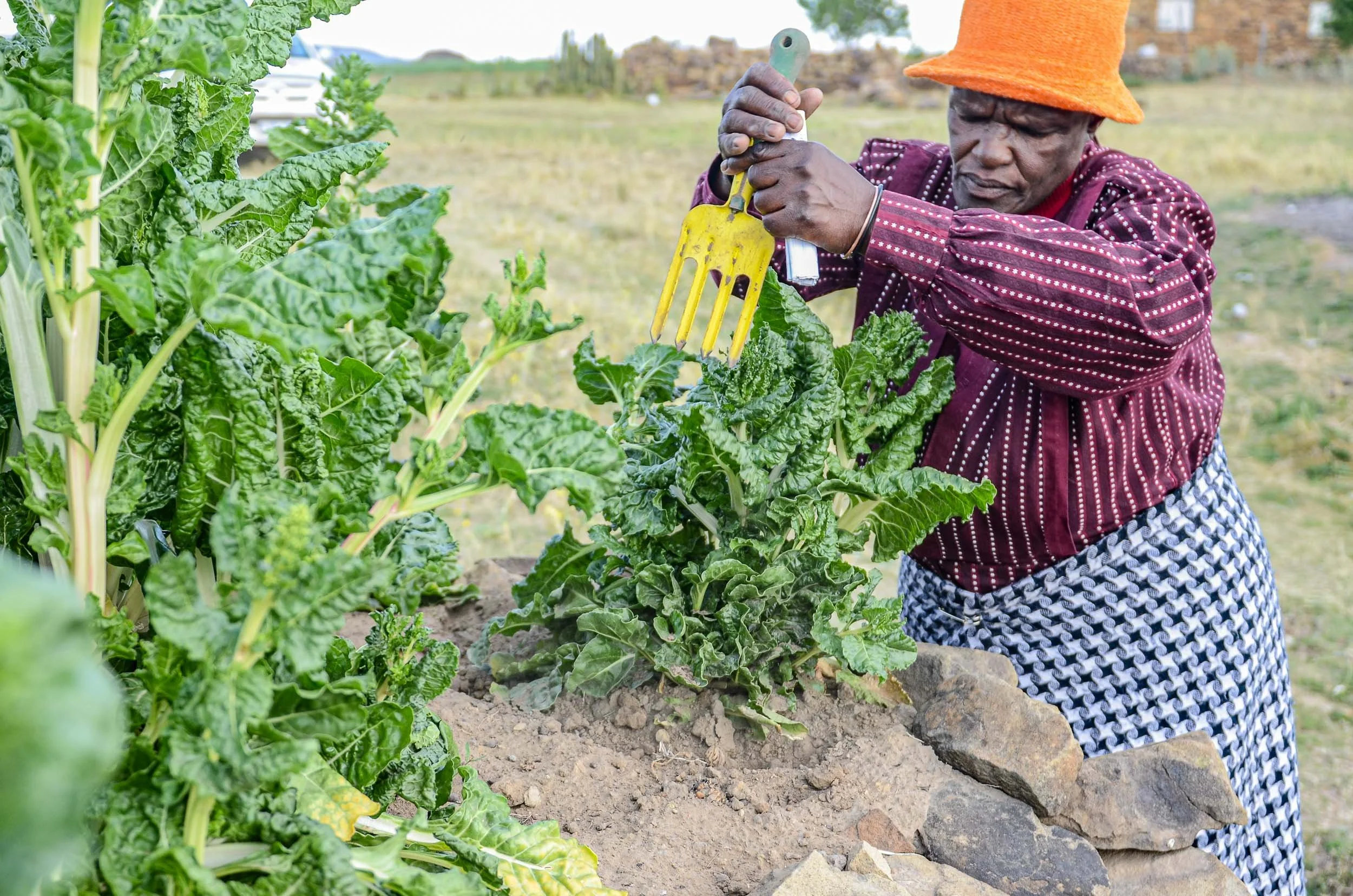
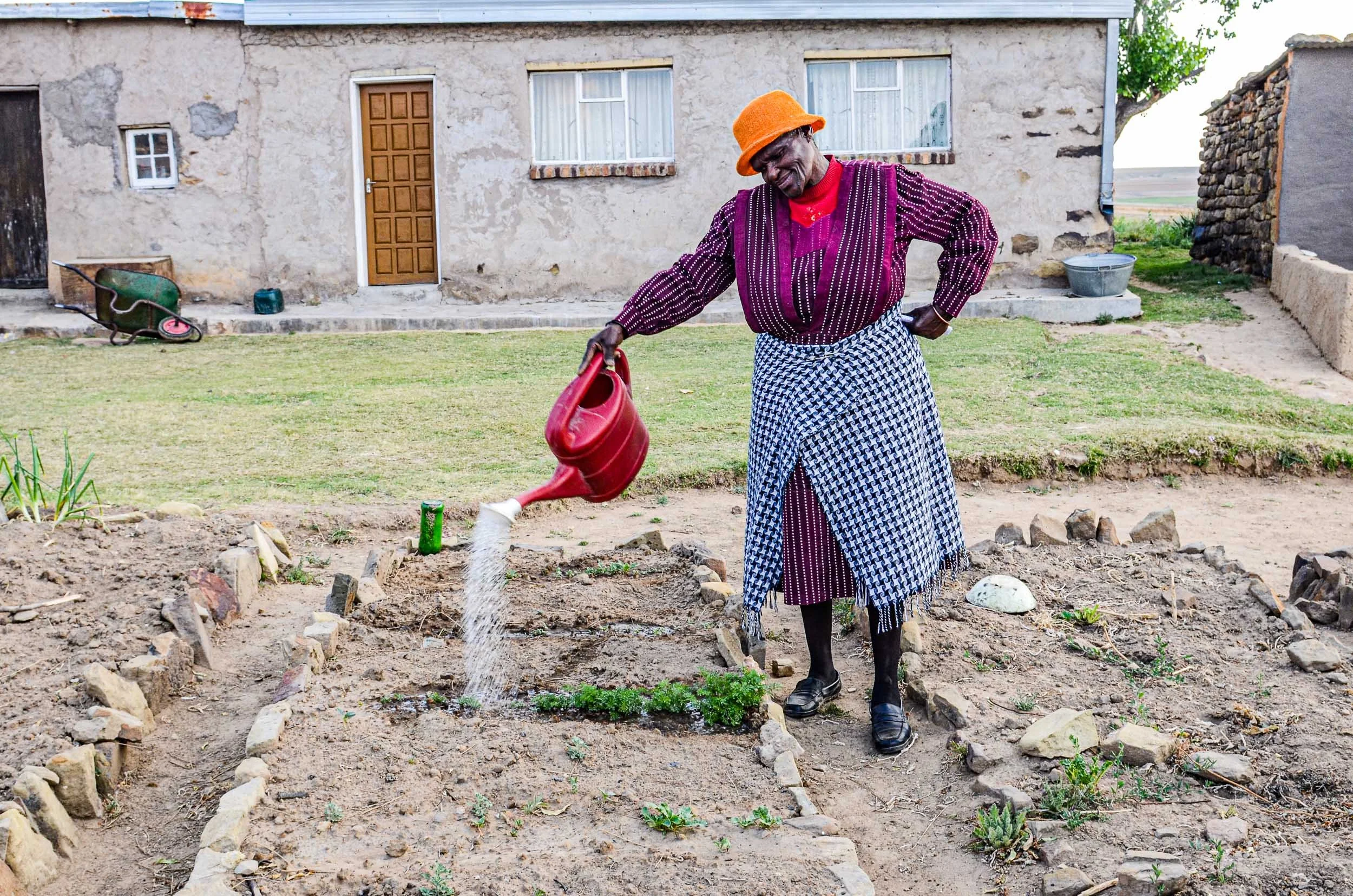
In 2010, the Red Cross started helping us grow food here and it’s made a huge difference. We started making keyhole gardens and producing a lot of vegetables.
Before this we had to travel long distances to get vegetables and sometimes the herd boys would beat us. It was difficult because of taking the medication and not having enough food – which often caused me to vomit.
I’ve had training from the lead gardener. They taught me about manure for the garden and compost and cleaning around the plot and watering my trees.
I received a watering can, spade, and fork. I get a monthly visit from the care facilitator and she reminds me of my check-ups as I can be forgetful. I talk about my HIV status everywhere I go, because I have accepted it and if I didn’t I could have died, so I want other people to be aware.
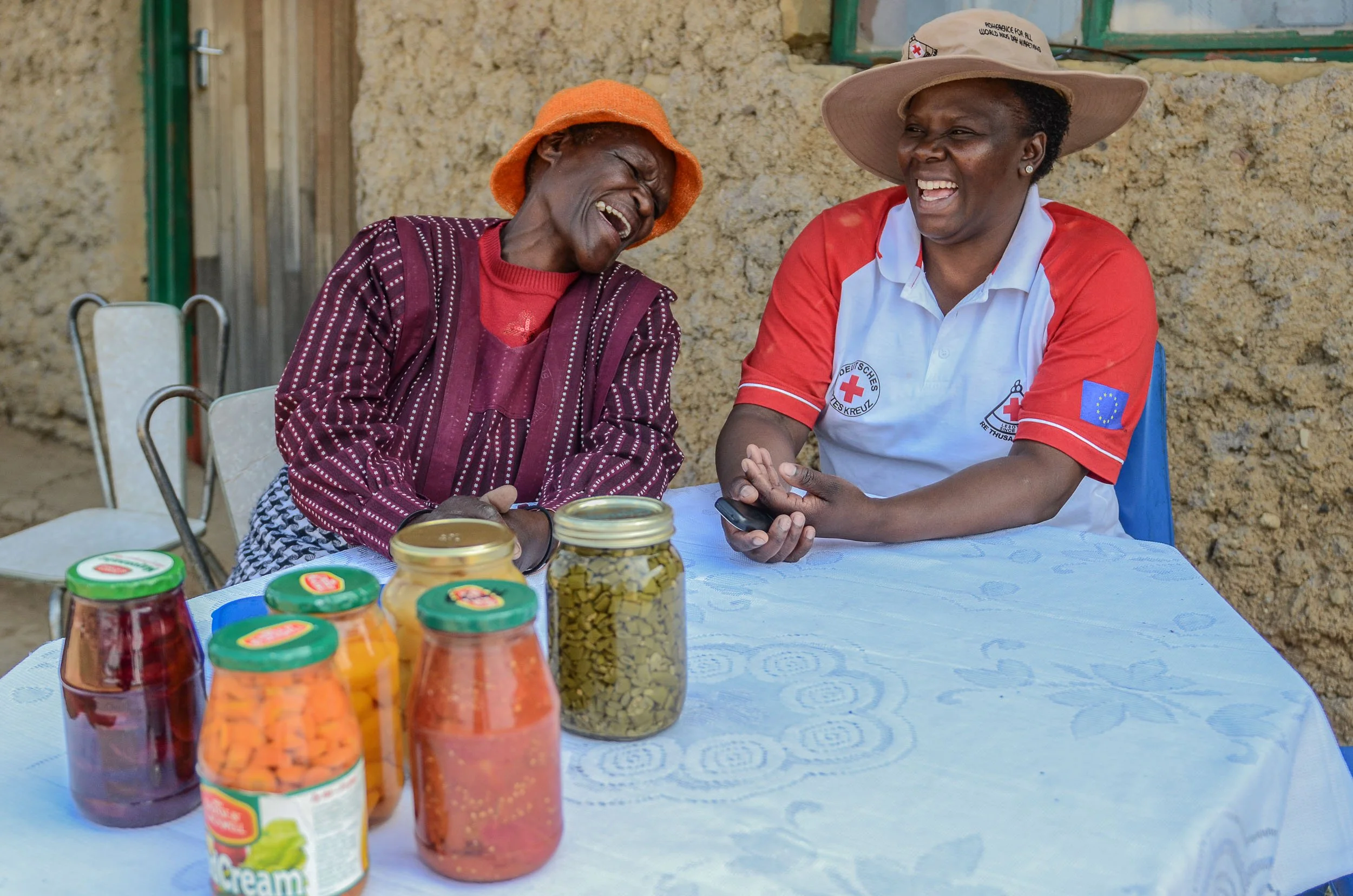
Lesotho is a southern African country barely the size of Belgium, where food and HIV are inextricably linked. Its economy, which is heavily reliant on agriculture, faces many challenges – including severe droughts, a short growing season, and soil stripped of nutrients by intensive agricultural practices.
With a population of just 2.2 million, Lesotho also struggles with one of the world’s highest rates of HIV, at 23.6 per cent, compounding its challenge to grow food, with its workforce severely weakened. The HIV pandemic is linked with chronic food shortages and for households affected by HIV it can be a vicious circle. It is essential for people to have access to healthy food when taking the life-saving HIV drugs, but it also becomes increasingly difficult for them to grow their own food or afford to buy it.
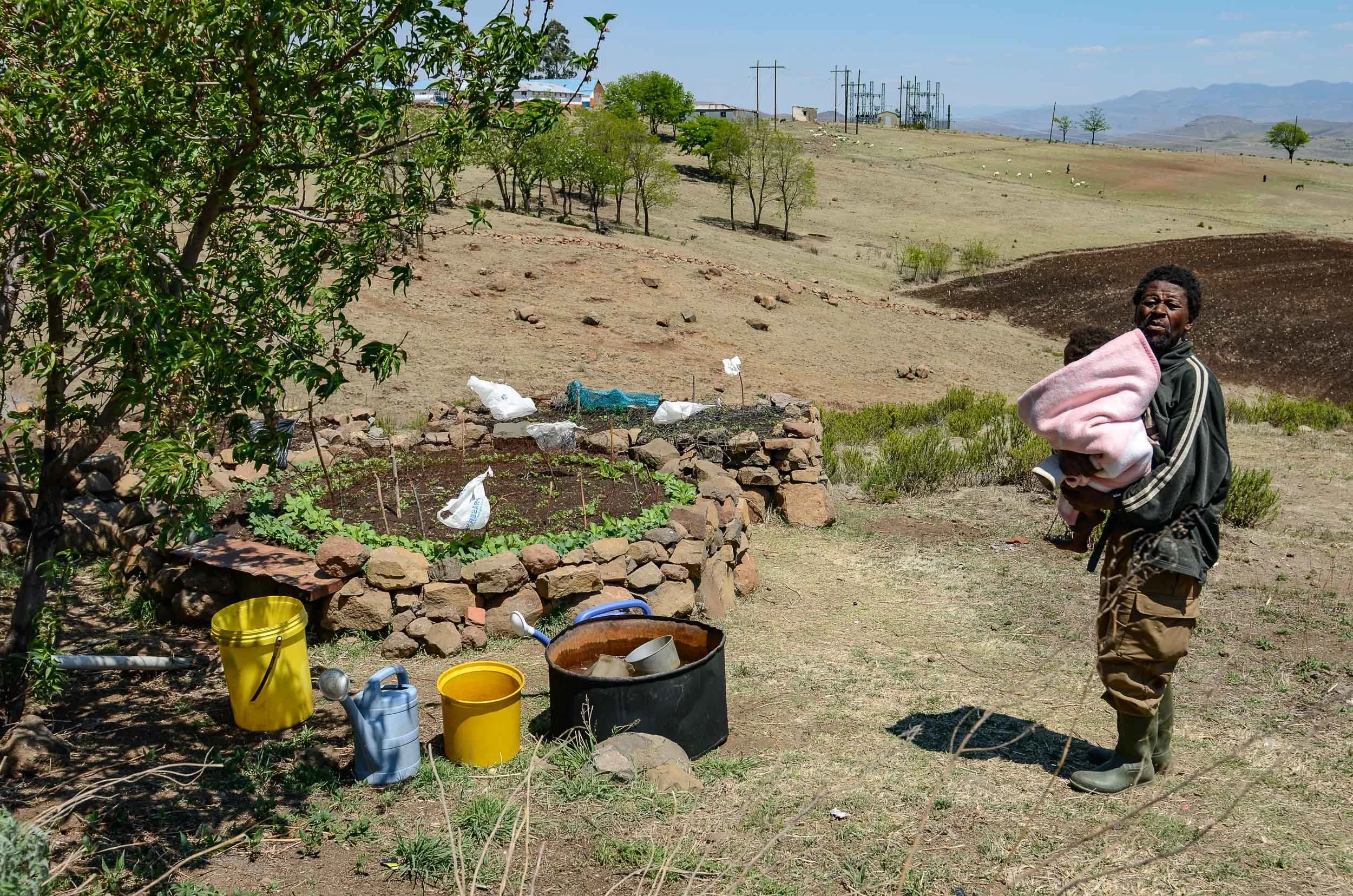
Keyhole gardens – so-called because of their shape from above – are a great way for people to grow their own food, especially for those who don’t have access to a large plot of land or the energy to maintain it. The gardens are built to waist height and arm span – making it easy for people to tend them and grow nutritious, healthy food almost all year round.
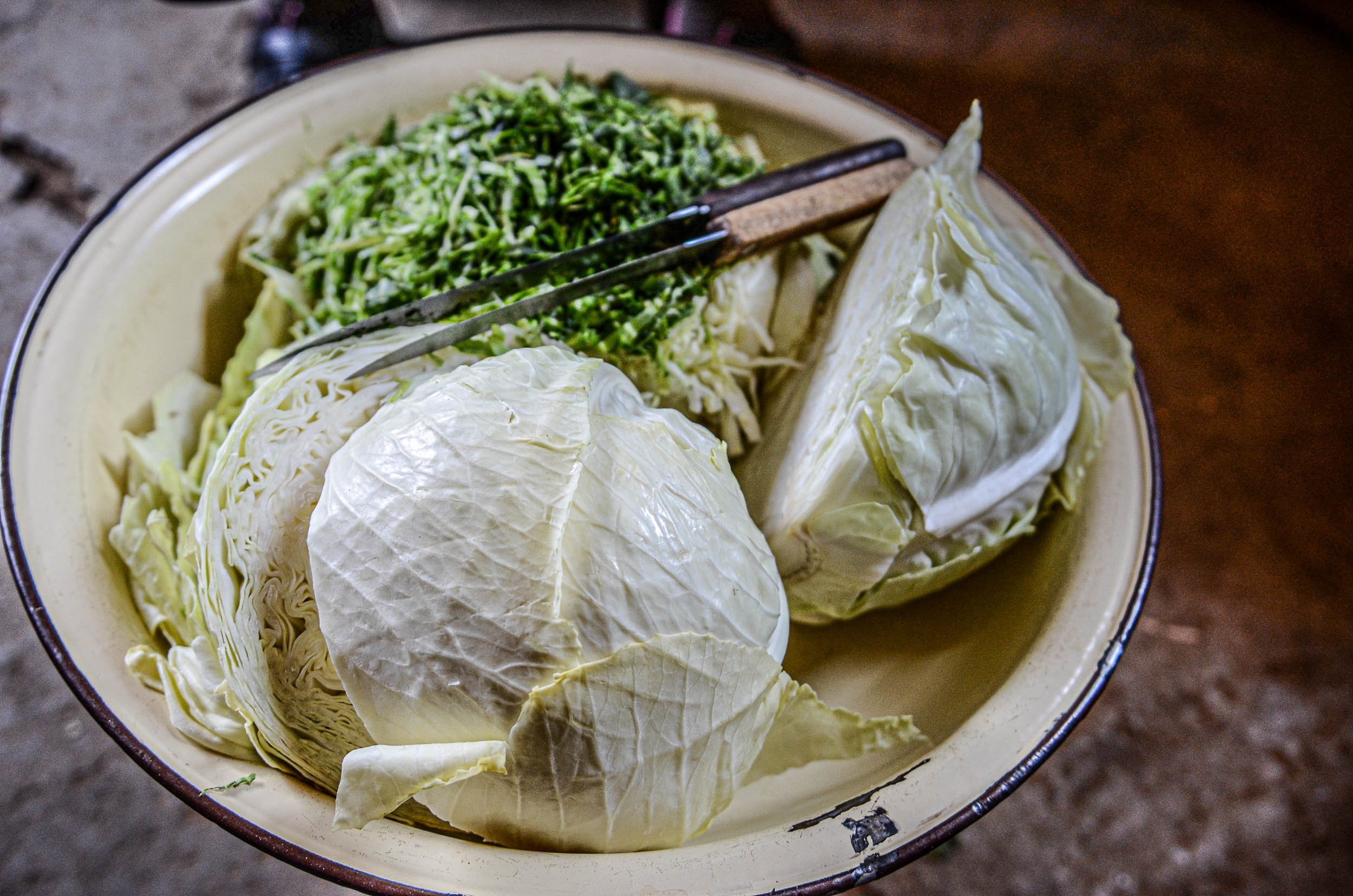
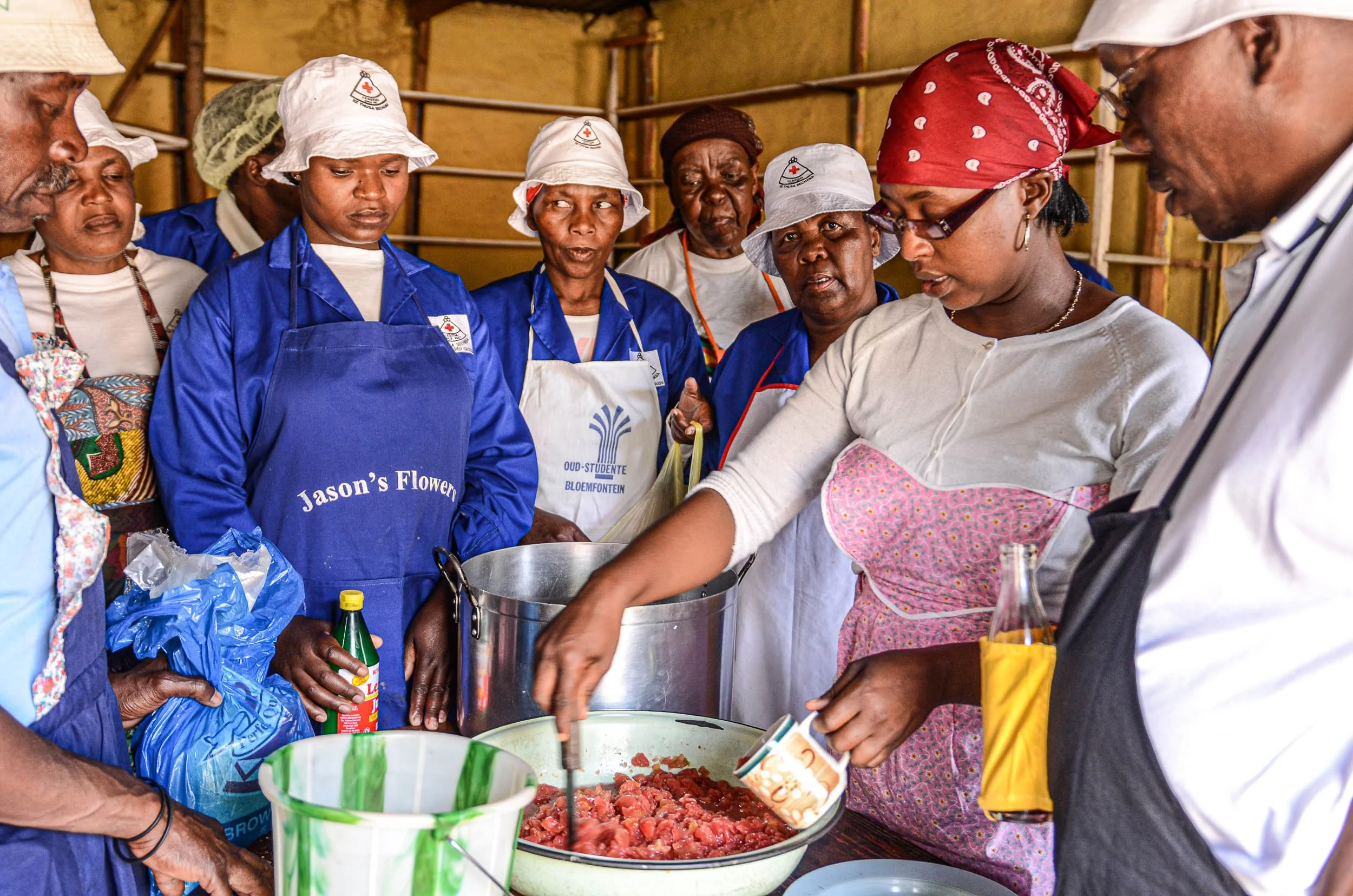
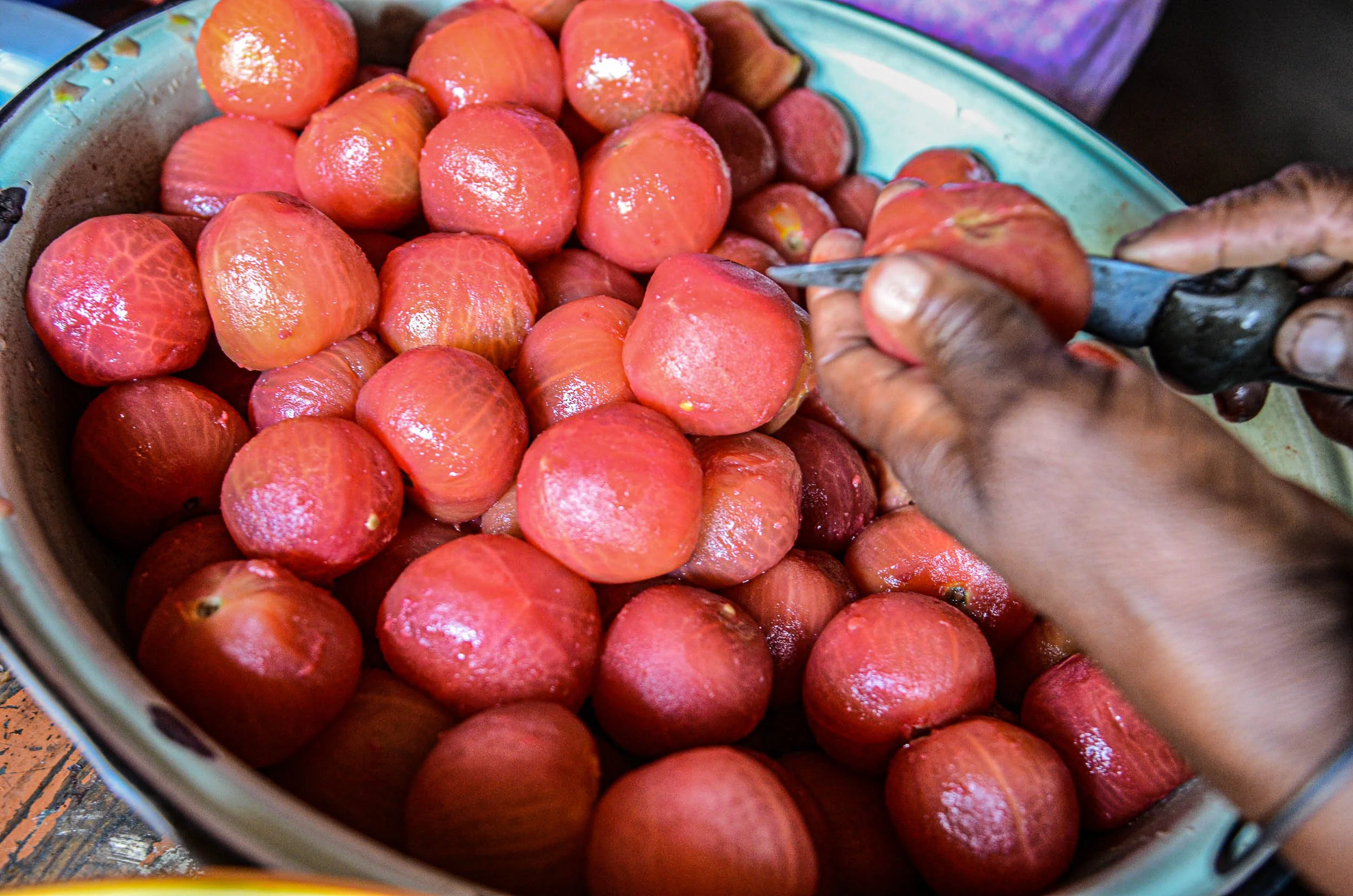
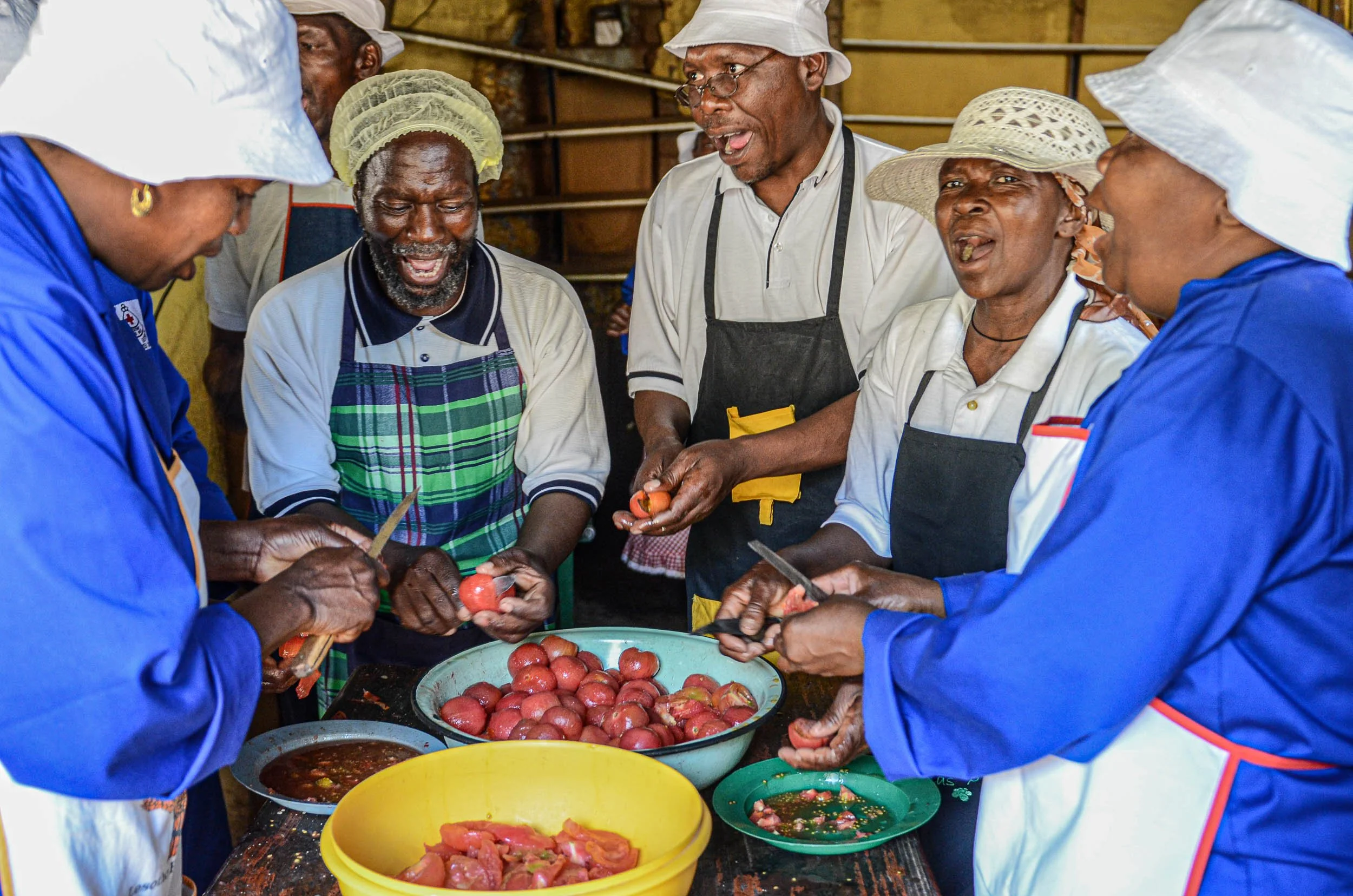
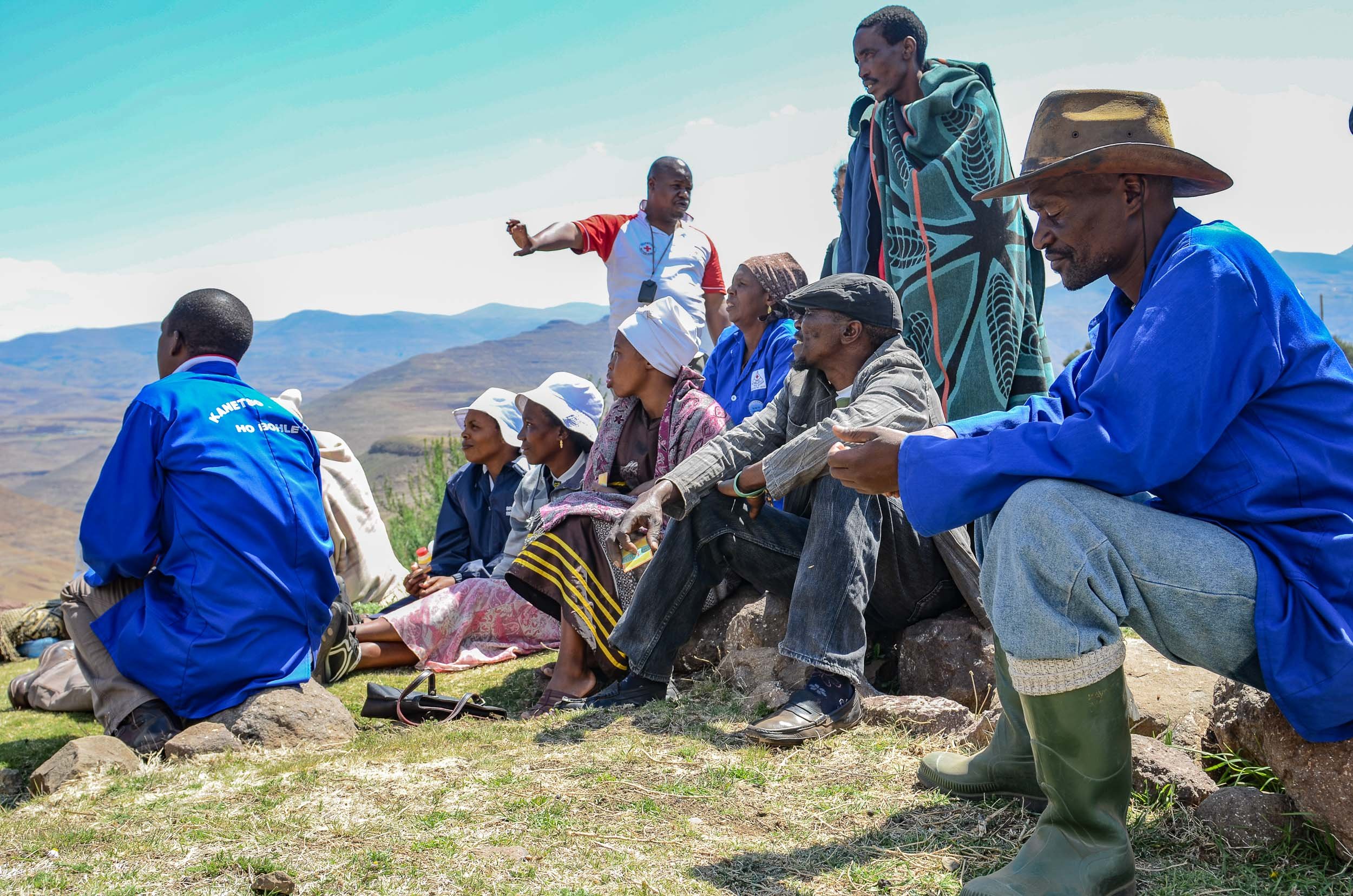
The Red Cross trains lead gardeners in each community to share knowledge on how to make the gardens as productive as possible. It also teaches methods of food preservation to help sustain people between harvests. Excess food can be sold at market, helping families gain a small income.
HIV, food and the success of keyhole gardens

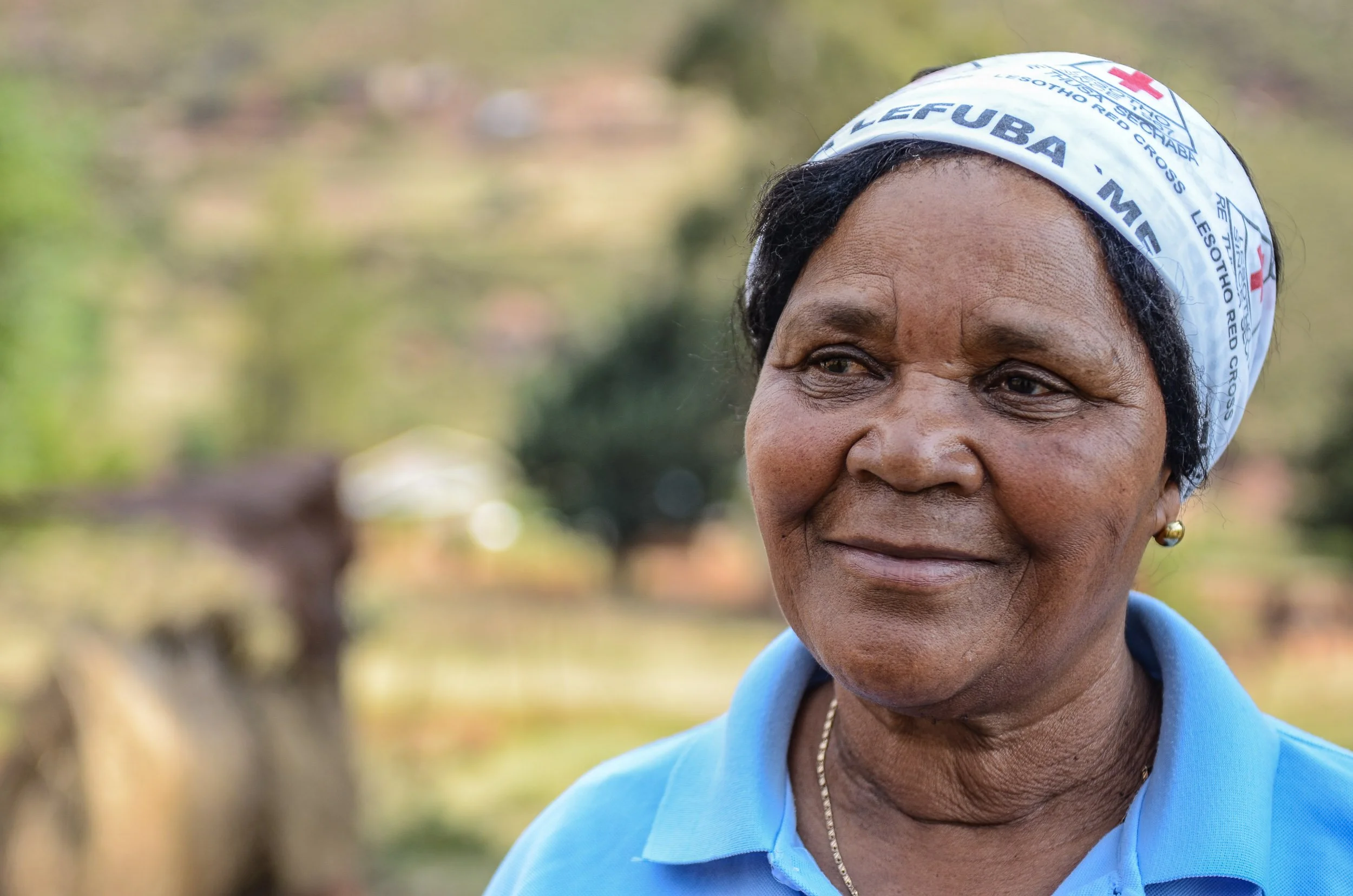
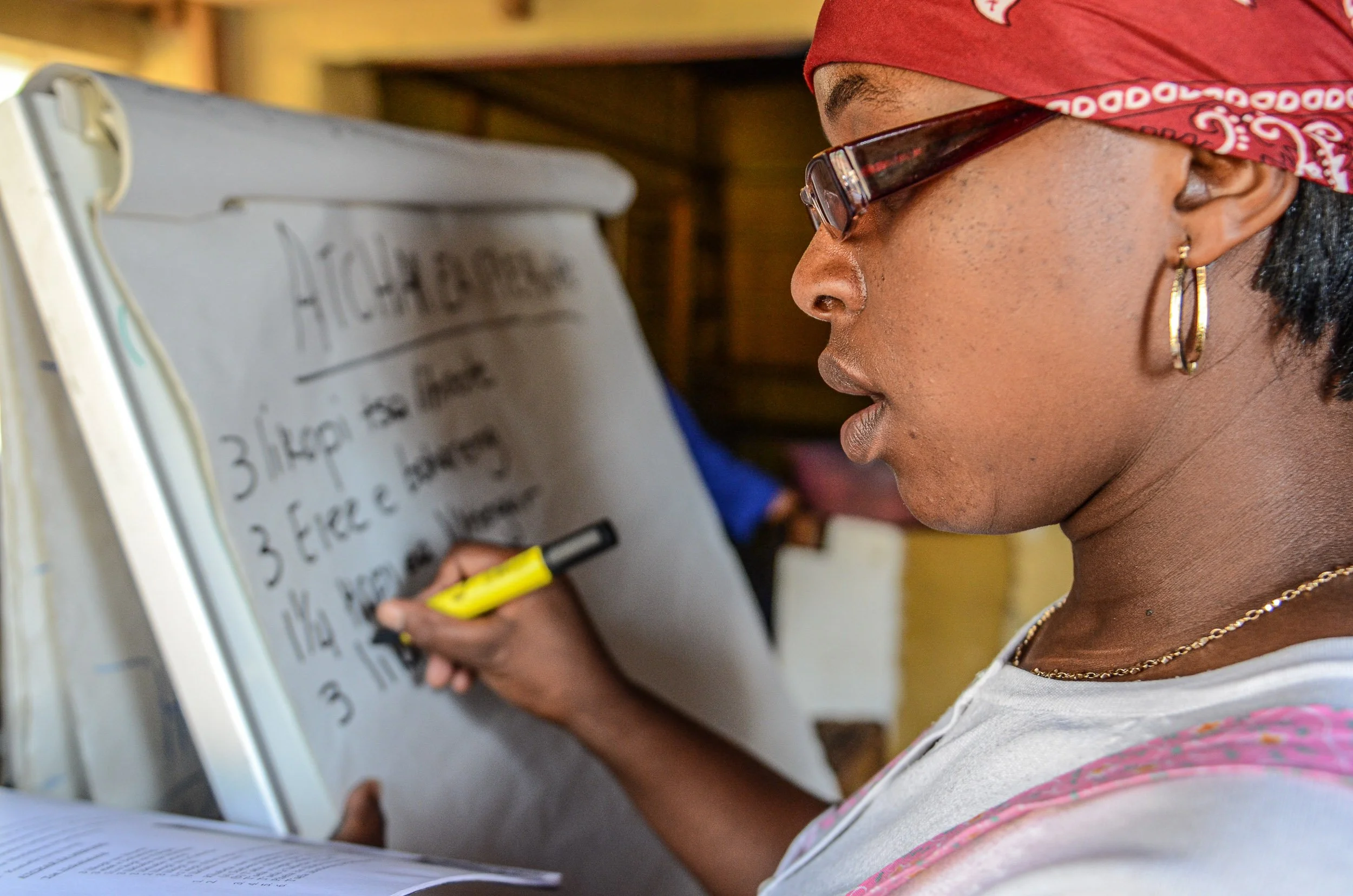
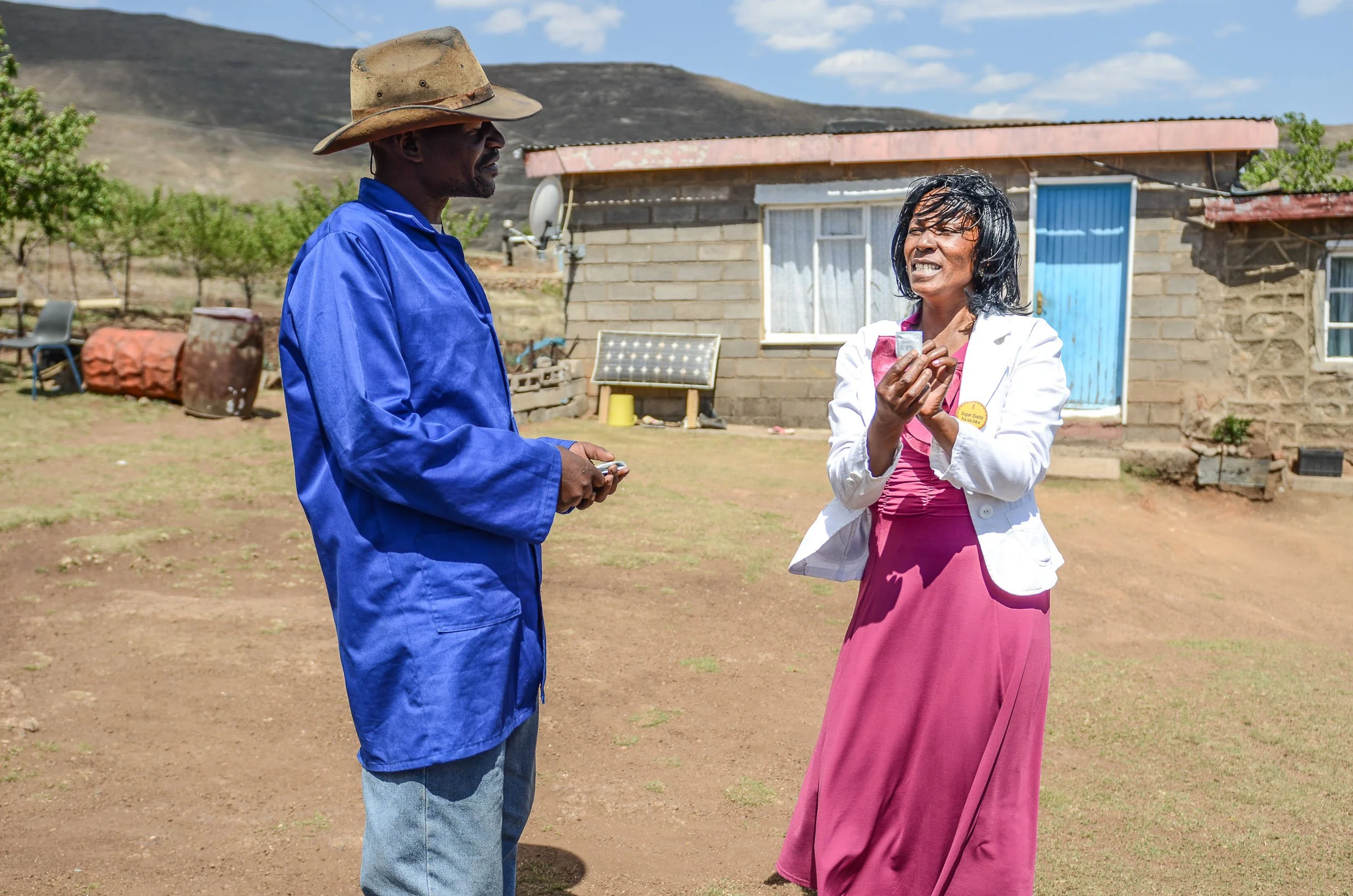
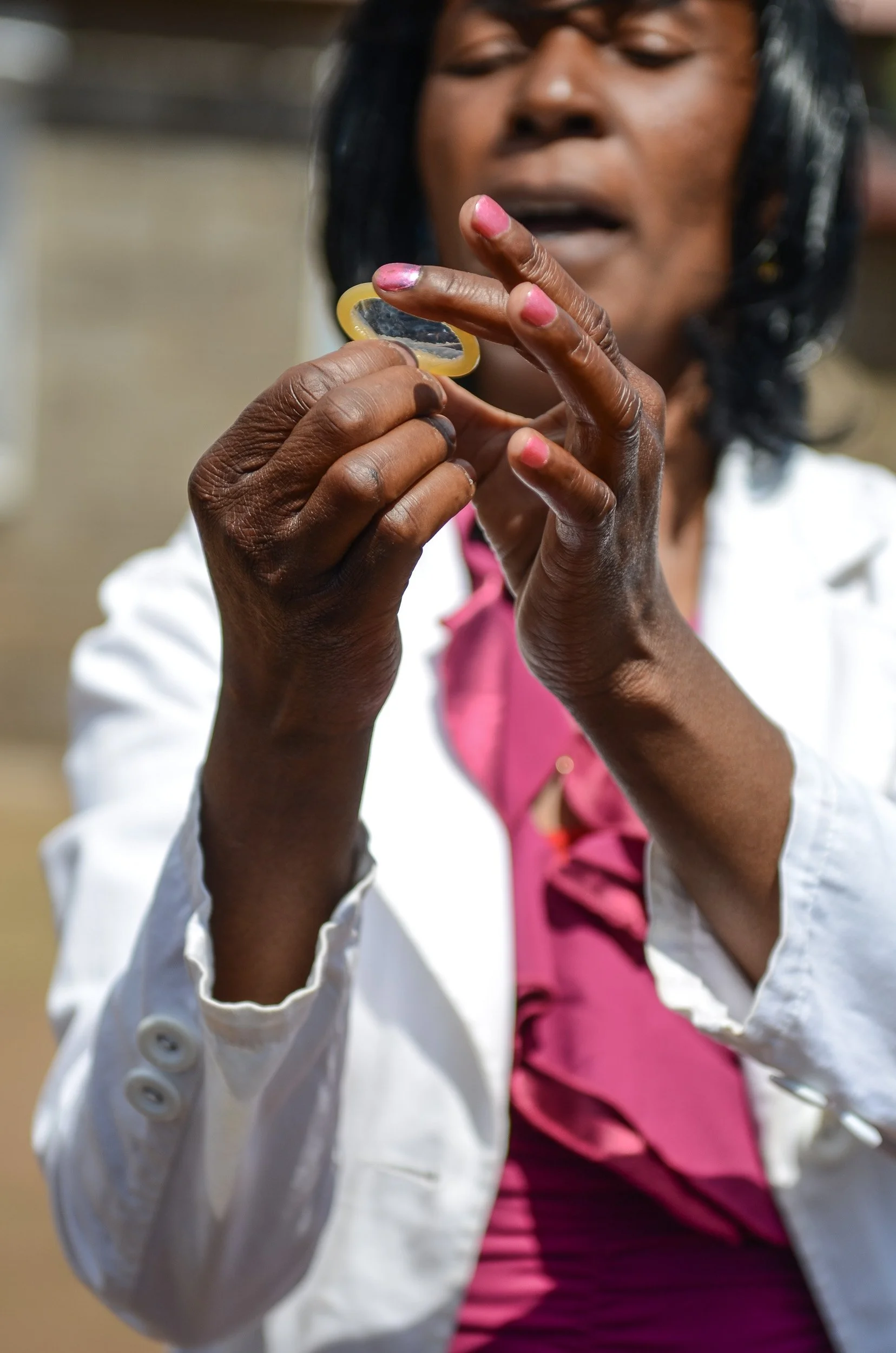
Eliza Makaliana is a Red Cross care facilitator supervisor from Pontseng village. Care facilitators teach people about preserving foods, how to keep health while living with HIV and how mothers can protect their babies from HIV.


Preserving food and raising spirits with song
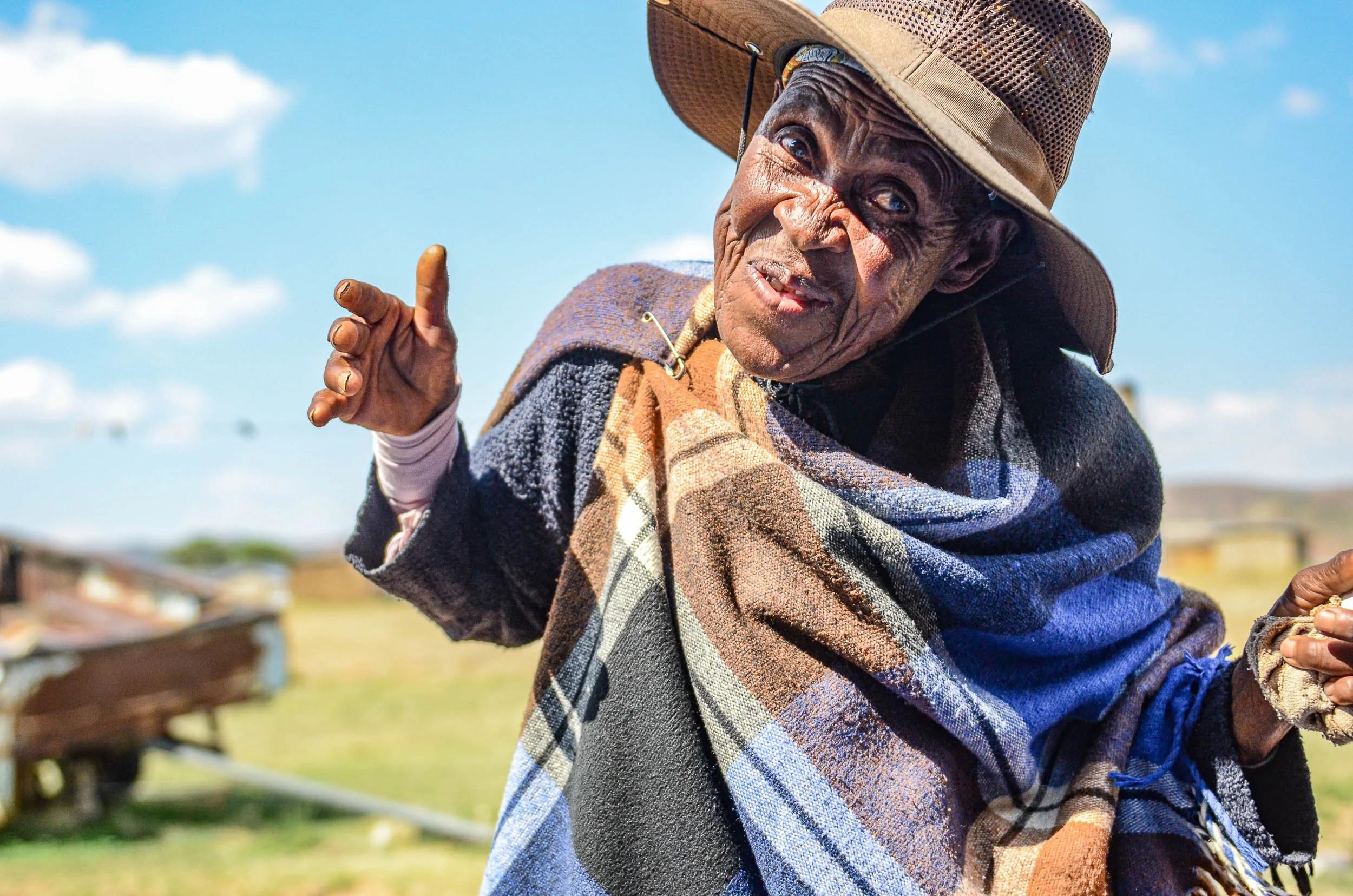
I got involved with the Red Cross project in 2008. The food security officer from Mafeteng is based here and encouraged us to have unity in the community and introduced lead gardeners.
I’m a farmer but I didn’t have the skills I have now which I’ve learned from the Red Cross, such as when and how to plant which seeds. I feel very honored to have the vegetables we have now but we still struggle to grow maize which we need to make pap to go with the veg – we’d like assistance with learning how to grow this better.
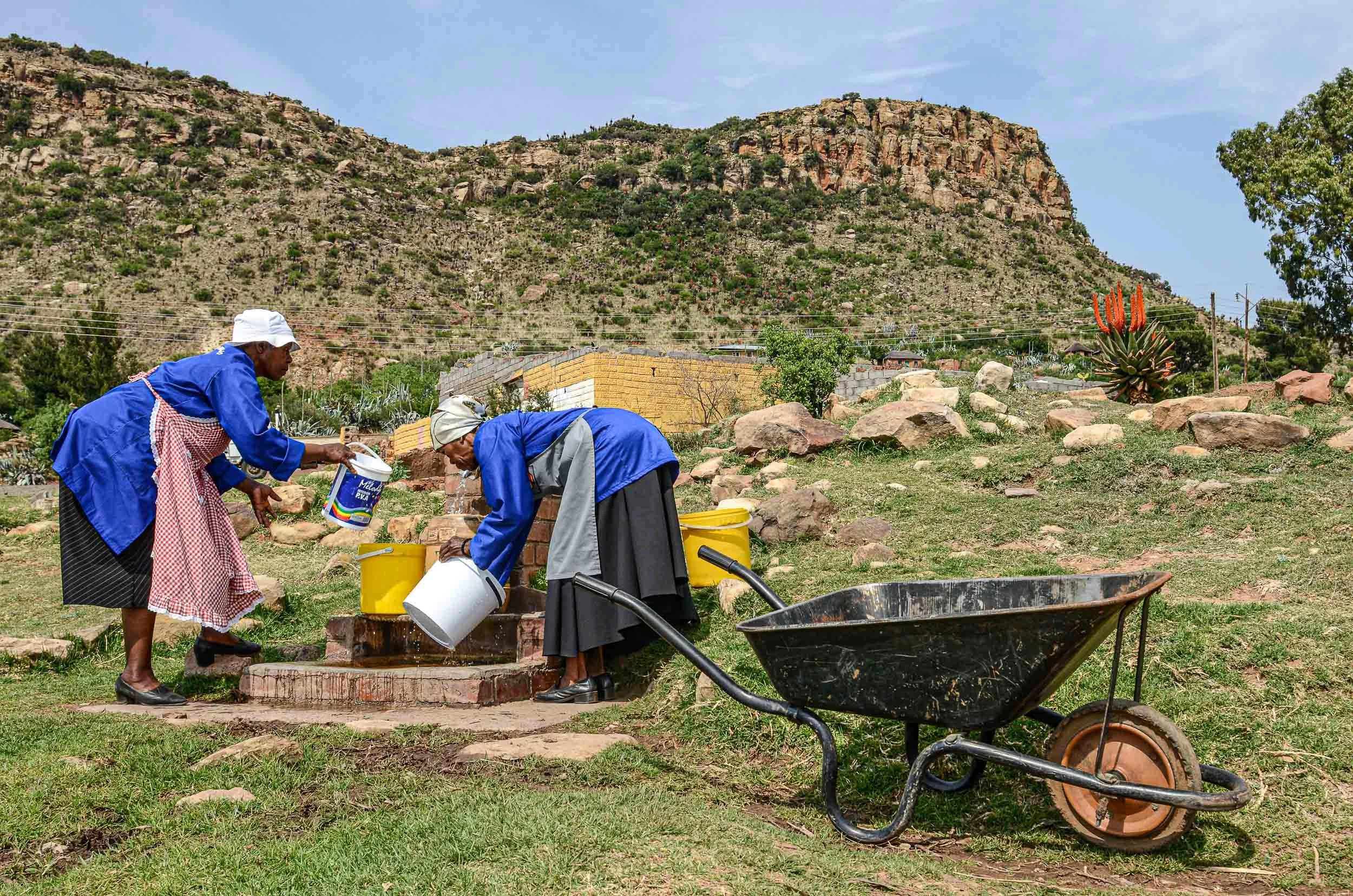
We have also been given water containers and taught to harvest rain water, saving it for times of drought.
I used to work in the mines and I was diagnosed with TB in February 2011. I wasn’t shocked because I had been in Red Cross workshops where I was taught about TB so I knew I was going to be cured. As soon as I had some signs I went straight to the clinic.
The Red Cross care facilitator was very close to us and giving us support. She always came to check I was taking the medicine properly and I was still very active while taking the treatment. I was also tested for HIV and my wife too but we don’t have it. But our community has definitely been struck by HIV and people were very ill before the Red Cross came here. Now there are no longer bedridden people, all are living a better life and we are learning about how to prevent HIV.
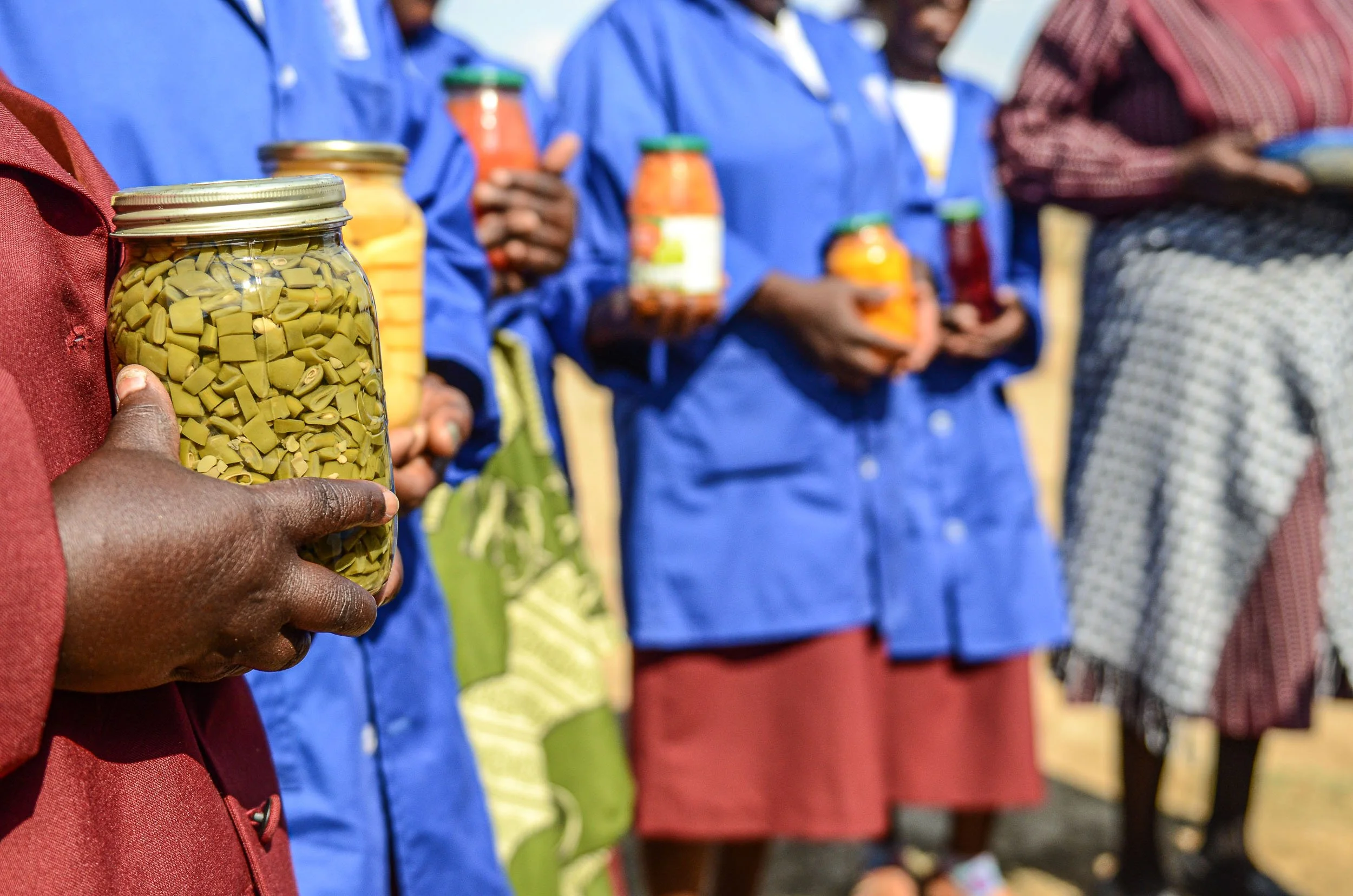
In 2009, I learned about the preserving of food with training from the Red Cross. Before that I only knew to preserve peaches and didn’t have so many recipes. I know how to cook and my wife is always happy. I like cooking vegetable a lot and canning peaches but now I’m learning to do jams. My children are so impressed by my skills and always recommend my food.
I would love to open a restaurant but buying the utensils woud be expensive but we would like to get a food dryer to be able to dry food and it keeps the food very hygienic. (often people just dry food on the ground and dirt gets in).
When people have funerals they normally ask for me to come and cook for them.
For me as a volunteer it has boosted my confidence and I feel honoured in the village. Before we struggled in the community, but now we can help each other.



Mamonasa’s story
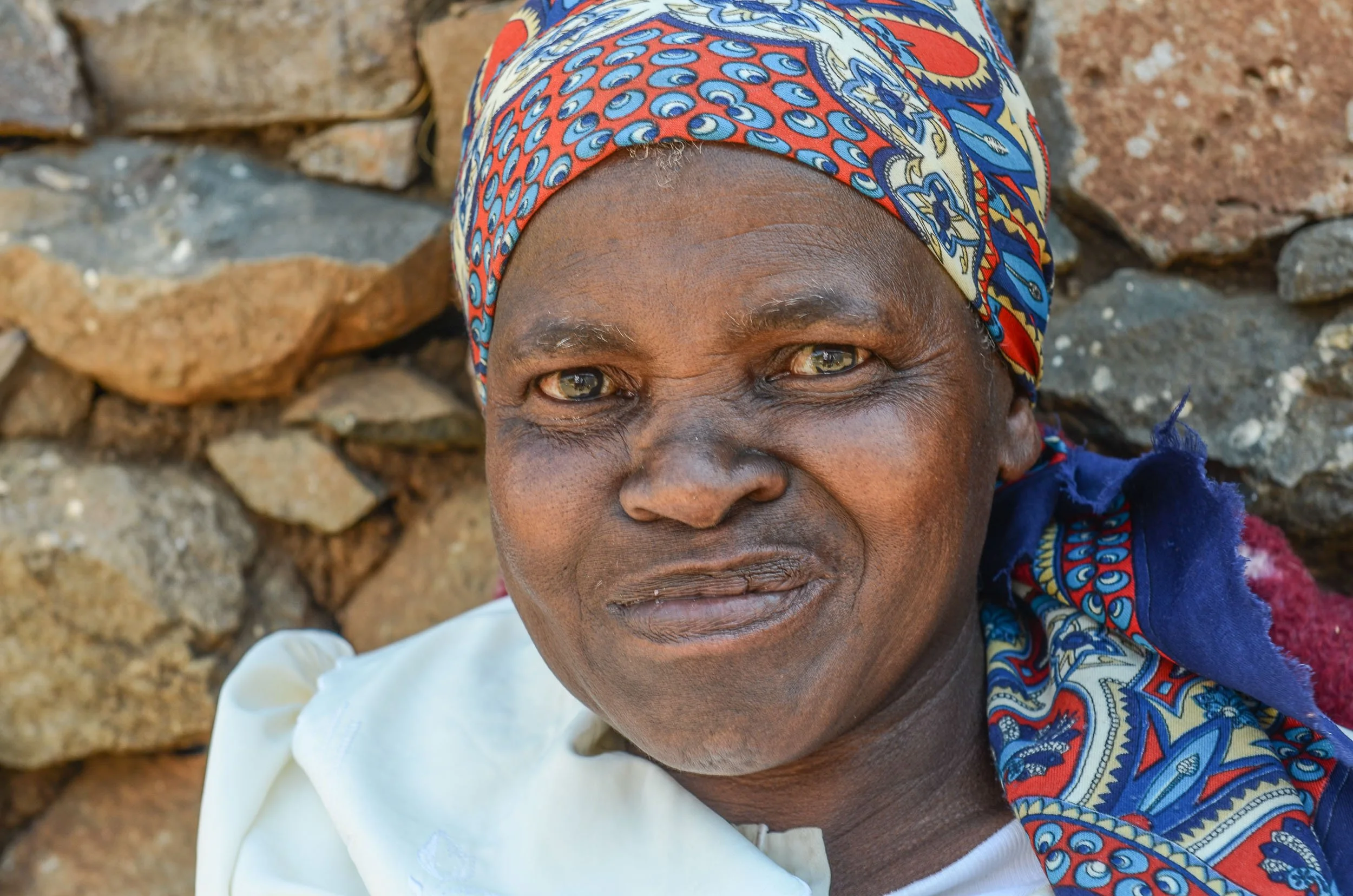
I found out I had HIV five years ago. I felt ill and was advised to go to the hospital for treatment by the Red Cross care facilitator who advised me to think about HIV and was very supportive.
I got so sick I was bedridden but I had two young grandchildren to look after. Their mother was working away at the factories so couldn’t come home every day.
I had no one to help apart from the Red Cross volunteer who would come and help turn me in bed and prepare some meals for us.
I think I caught HIV from caring for my other daughter who died but at the time we didn’t know about HIV.
When I first found out about my HIV I was shocked but I had great support from people around me, my neighbours helped and I received counselling from the Red Cross. Now I feel fine with it.
I used to have an ordinary plot for growing food but I didn’t have the skills to maintain it. Through the Red Cross I learned modern gardening skills and now with the keyhole garden and the seeds they provided we have vegetables all year round.


I live on my own with my two grandchildren. I’m worried because they are very young and I need to look after them. The main stress I face is not having enough to eat. I don’t have my own home I stay in a relative’s house, who is staying in South Africa but when they come back I’ll have to leave. I don’t have many close relatives and don’t know where I will live.
I do the washing for a family and do some field work for other families to get money for supporting the children but it’s difficult because there is not much work.
There’s been a great change since getting the Red Cross vegetable garden help as I can also sell vegetables from my garden and I’m very happy with that. I can grow veg all year round. I get regular seeds from the Red Cross and I also received a hand fork, rake, spade and watering can.
My dream is to have a home and I’d like to have a plot to build a house and feel more comfortable. And I hope I can help my grandchildren continue to go to school.
A version of this story was first published by the British Red Cross on its website and in Red Cross Life magazine